Taking Children Seriously
Taking Children Seriously
I’ve had an anxiety disorder for as long as I can remember. It wasn’t diagnosed until after I had my daughter, but it’s always been part of who I am. As a young child, I remember being called a “worry wart” and being told, “that is nothing to worry about.” This was a pretty normal way to treat children in the 1980’s.
Here’s the thing: even though it was “normal” during that time period, it certainly was not helpful. It caused me to ruminate (repeatedly thinking about negative thoughts, feelings, or past events), so I was stuck in a never-ending cycle of worry (and guilt for bothering people)
When it was storming outside, and I was at school, I would worry that a tornado was going to pick up our mobile home and my mom would die. I had a huge fear that killer bees were going to finally make it to the US in huge swarms, and my family would die. Do you notice any commonality in my worries? I always worried about my family (and still do.) Even though those things could happen the probability of them happening was pretty low, but my nervous system didn’t understand that.
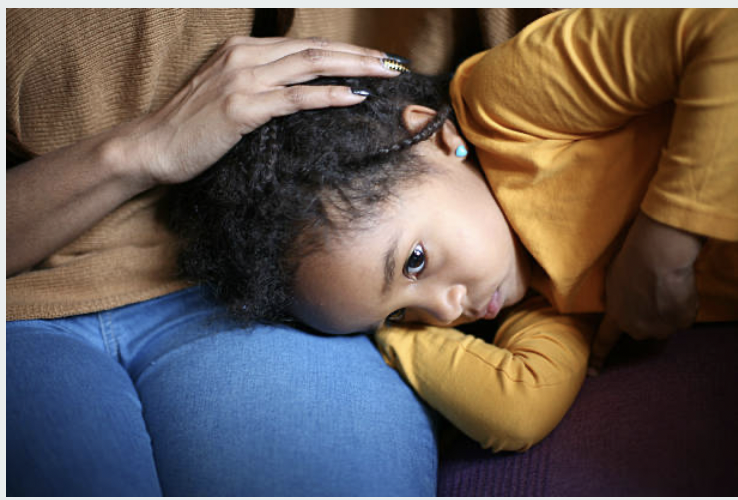
The image of children as carefree and without worries is not accurate- we know that more often than not, the worries and fears young children have are seen as irrational in the eyes of adults. When a child is fearful that a parent won’t pick them up at the end of the day, we tell them not to worry, because it would never happen. When they are afraid of monsters under their bed, we say that monsters aren't real and they need to go to sleep. We, as adults, are always tempted to dismiss a child’s worries, but what if we didn’t?
When we take a child seriously, recognizing that their worries are real, we are better equipped to provide them with the reassurance they need. In many ways, children understand the world very differently from the way we do as adults. Children usually mean what they do and what they say- they live in a very literal world where they don’t “pretend” unless someone teaches them that is the best way to get their needs met.
It is common for the worries/fears of our youngest children to be ignored or dismissed by adults. One example of this is when a baby gives a clear signal that they don’t want to be near someone they don’t know, while the “stranger” gets closer, smiling and laughing, knowing the child is in distress. This distress is long-lasting in that sweet baby's nervous system, which can lead them to feel uncomfortable for a long time.
While we know that many of the fears young children have may never come true, this does not mean we have to dismiss their concerns. Helping children overcome their fear begins with recognizing the reality of their feelings. Ruby Finds A Worry by Tom Percival is a fantastic book for understanding things we are anxious about.
It is always important to remember that there is a big difference between laughing at a child and laughing with a child.
True Growth comes from Honest Reflection:
What are some common fears expressed by children you work with? How do you respond to those fears?
Is it ever helpful to pressure a child to confront a fear directly?
What do children worry about unnecessarily? How do you reassure them?
These 'real' worries children experience deserve our empathy and support. By validating their feelings, we empower them to navigate challenges with resilience and self-confidence. The way we respond can truly make a difference—for their well-being today and for the adults they will become.
More Book Suggestions: