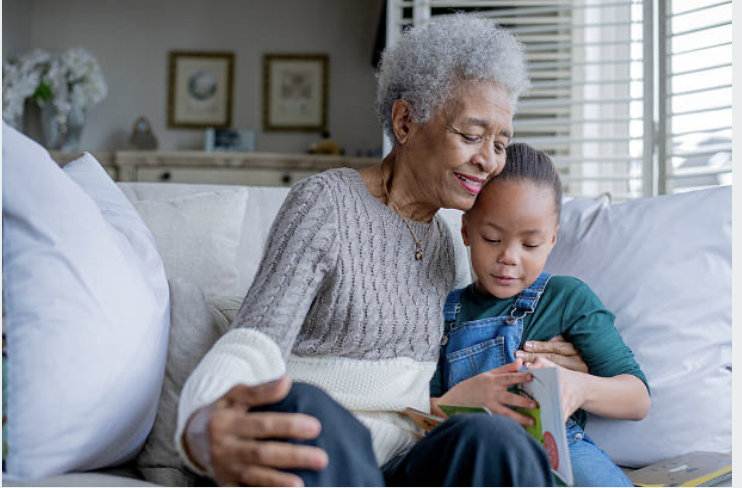
Have you ever heard of the term hygge (pronounced hoo-gah)? This Danish word doesn’t have a direct translation; instead, it is more of a feeling- “it is about cosiness and surrounding yourself with the things that make life good, like friendship, laughter and security, as well as more concrete things like warmth, light, seasonal food and drink.” Winters in Denmark are LONG, so hygge is a way of feeling comfortable and content during everyday life experiences- the true feeling of togetherness, coziness, and the appreciation of all the small pleasures life has to offer.
I’ve been obsessed with the educational system in Denmark (and really all the Scandinavian countries) for years. My family and I had the privilege of taking a trip to Denmark a few years ago. It was such an amazing place to visit! We absolutely loved fully embracing the culture. I was lucky enough to spend time observing at a local school in Copenhagen. It was so amazing to get to see the learning that takes place when educators are seen as valuable, competent, and capable.
After our trip, I started to embed some hygge practices into my life, home, and classroom. At home, I cherish time spent in a cozy chair reading under a blanket, time spent snuggling with husband and dogs on the sofa, and time spent enjoying family meals by candlelight. These simple practices help me practice daily self-care while learning to be a more present and patient human.
When I was a classroom teacher I made the most of moments where I could be fully present with the children in my care- spending time sitting, observing and listening to the children, enjoying snuggle piles while we read the same books over and over again, slowing down during mealtimes to enjoy our food and the conversations, taking our shoes off and slipping on our cozy socks or house shoes, lounging on large piles of pillows and taking listening walks to take in the sights and sounds of the world around us.
While the outside world can seem overwhelming, we can make time and space to slow down and step away from all of that noise:
COZINESS AND COMFORT are the core values of hygge. Snuggle up in a blanket, have a warm cup of tea (or hot chocolate), watch your favorite movie, or read a good book.
ATMOSPHERE turn down those bright lights (at home and in the classroom) and turn on your lamps. Did you know there is a HUGE connection between the brightness of your classroom lighting and the volume of the children’s voices? Brighter lights = Louder voices
TOGETHERNESS hygge is about spending time with the ones you love- fostering meaningful connections and truly enjoying the company of others.
SIMPLE PLEASURES enjoy the simple pleasures. A tea party with a group of preschoolers, a piece of really good chocolate, a walk in nature, or a home-cooked meal.
MINDFULNESS be present and fully take in the moments as they come. DISCONNECT from technology and be in the world around you. When we model enjoying our lives without technology, the children will follow our lead.
WELLNESS, take care of yourself. Asking for support is a strength and an important part of your self-care practices. Pack yourself a nourishing lunch for yourself. During your lunch break, take a walk, go listen to music in your car, or find a space to meditate. Teach your students deep breathing techniques, yoga stretches, and words to describe their feelings. This will not only help them learn to self-regulate but also benefit their (and your) well-being.
Are you looking to learn more about hygge? Check out the resources below: