
Just be!
Just be!
I often share with early childhood professionals that the system of early childhood education sets us up for failure. By system, I mean those who make all the rules but have never set foot in a classroom—the same people who believe we should use high-pitched, singsongy voices to narrate every moment of a child’s day. Have you ever realized how annoying we must seem to the children in our care?
I am not part of that system. I do everything I can to be a squeaky wheel. I ask too many questions and always want to see the evidence that proves something is “best practices.” I believe a lesson plan is just a piece of paper. Children are the curriculum. Language is learned when trusted adults take the time to listen and respond to children's musings.
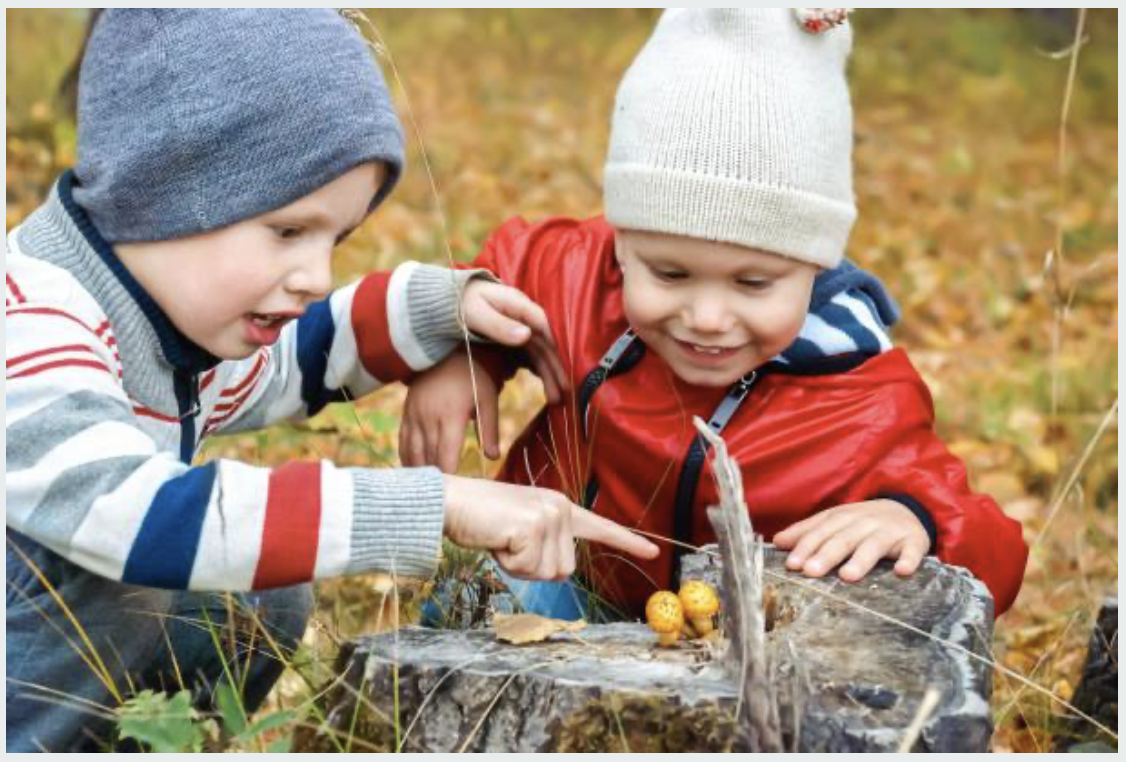
I believe childhood is a time for being, when young children should have unlimited time to just be. I see children as unique, deserving to be valued, acknowledged, and accepted as they are. Children should be allowed to be themselves—noisy, silly, wise, assertive, sensitive, joyous, grumpy, caring…
Children do not need us to pressure them to learn. For the love of our children, we do not need to make everything a “learning opportunity.” We can encourage children to dig deeper into an interest. We do not need to pressure them or take over their ideas. It’s okay to enjoy the moment and just be in it with the child.
Children need time to withdraw on their own. Observing from a distance gives them space to imagine and daydream. Children have an amazing capacity to immerse themselves in the present. Let them stay in that space. Do not rush them toward the future.
Letting children just be can be difficult within the ECE system. To do this, first appreciate that children are engaged in the monumental task of figuring out the world around them—a process that requires time and the freedom to make mistakes. They need trusted, fully present adults to support this journey.
Reflection is a tool for growth:
What does children’s being mean to you?
How does the idea that childhood is a time for being impact your program?
What are some examples of intentionally building in times for children to simply be?
