What if we tried something new instead?
I often share how privileged I feel to travel throughout New England providing in-person professional development sessions. Last week, I had the opportunity to spend time with an amazing group of early childhood professionals in Cambridge, Massachusetts.
During our session, we discussed how to hold space for young children's feelings. What I found so amazing about this group of educators was that they readily acknowledged past practices they no longer wanted to continue, while asking for support in the form of new tools and strategies.
I wish more caregivers could look deeply through the lens of self-awareness to understand that just because “we’ve always done it that way” doesn’t mean we need to keep doing it that way.
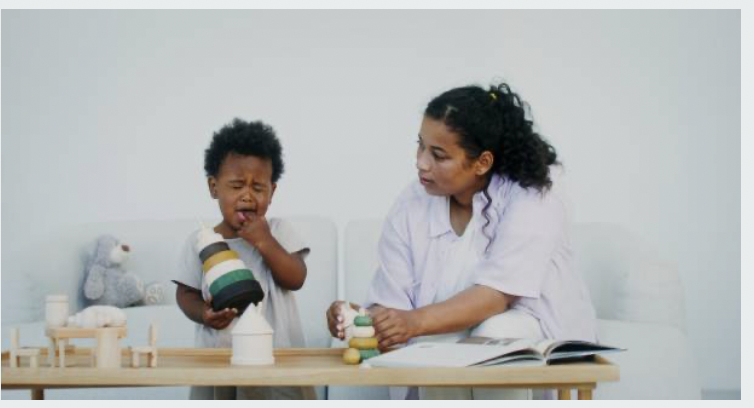
What if instead we tried something new? What if we got down at their level and said, “I noticed you might need some help, would you like to take a walk with me?, would you like me to sit next to you?, or would you like some time by yourself. Take a moment and wait for their response. If they don’t respond, check back in a few minutes.
If they respond that they want to take a walk with you, you can hold out your hand to see if they'll take it, but don't push the issue. Walk around the classroom or in the hallway if you have enough support. After a few minutes, do a little check-in. Ask them to check how their body feels, starting with their heart, then their stomach, and finally their head. Don’t tell them what emotions they are feeling; instead, listen to their responses and suggest emotions that have that effect on our bodies.
If they respond that they want you to sit with them. Sit a comfortable distance away from them and move closer as they feel comfortable. After a few minutes, do a little check-in. Ask them to check how their body feels, starting with their heart, then their stomach, and finally their head. Don’t tell them what emotions they are feeling; instead, listen to their responses and suggest emotions that have that effect on our bodies.
If they respond that they want to spend time by themselves, there are some spots in the classroom that are good for taking time to be on your own. After a few minutes, do a little check-in. See if they are ready to do a body check, or if they need more time on their own. Repeat as necessary until the child is ready to move through their big emotions.
You may be thinking, “Carrie, we don’t have time for this,” and I will share the same thing I say every time I hear this: “We have nothing but time to ensure the emotional needs of the children in our care are met.” Our role as early childhood professionals is to help young children build a strong foundation for life, including kindergarten and beyond.
Building a strong foundation means supporting young children as they develop their emotional intelligence, social skills, self-regulation, and executive function. This only happens when we recognize that the child is more than a brain. They have an entire body that needs care, and that care requires patience, nurturing, and time.